
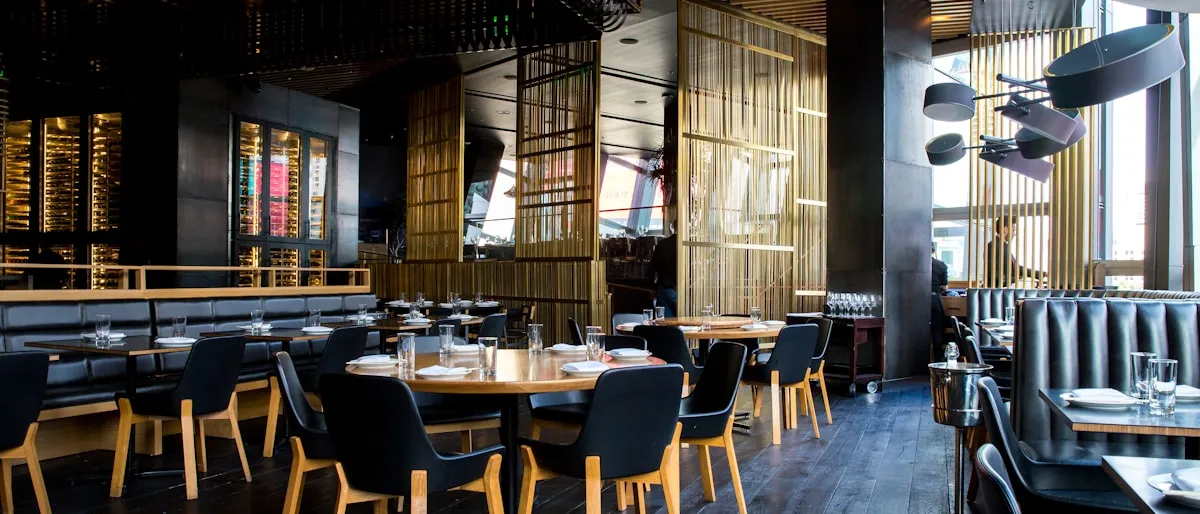
What online reputation means for a restaurant
Your online reputation is how your restaurant appears on the internet. It's shaped by everything people find when they search for your establishment: Google reviews, comments on booking platforms, social media posts, photos shared by customers, and even the search results associated with your name.
Unlike your "offline" reputation built through word of mouth, your online reputation is visible to everyone, instantly, and it stays online indefinitely. A review posted two years ago can still influence a customer browsing your listing today.
of consumers check at least one review platform before choosing a restaurant. Your online reputation is the first filter your future customers use.
Online reputation vs word of mouth
Word of mouth reaches a customer's immediate circle — a few dozen people at most. An online review, on the other hand, is read by hundreds or even thousands. A single positive or negative comment has unmatched reach. That's why managing your online reputation can no longer be seen as secondary — it's a direct revenue driver.
The platforms that matter
Your online reputation isn't limited to Google. Multiple channels shape how your restaurant is perceived, and each has its own dynamics.
Google Business Profile: the central pillar

70% of restaurant searches go through Google. Your Google Business Profile is by far the most important channel. It displays your rating, reviews, photos, opening hours, and location directly in search results and on Google Maps.
It's also the channel that weighs most heavily on your local SEO. The more recent and positive reviews you have, the higher Google ranks you in results. It's a virtuous cycle: better visibility attracts more customers, who leave more reviews, which improves your visibility.
To learn more, check out our guide on how to get more Google reviews.
Social media: showcase and conversation
Instagram and Facebook have become essential showcases for restaurants. Food photos, the ambiance of your venue, and behind-the-scenes stories actively shape your image. An active Instagram account with great photos builds trust and makes people want to book.
Social media is also a space for direct conversation with your customers. Comments and direct messages are opportunities to demonstrate your responsiveness and attention to detail. A customer who asks a question on Instagram and gets a quick reply is more likely to make a reservation.
Booking platforms and specialized review sites
Online booking platforms and restaurant-focused review sites are another pillar of your online reputation. Reviews left on these platforms tend to be more detailed than on Google, and their users are generally regular diners with influence over their social circle.
The risks of neglecting your online reputation
Ignoring your online reputation doesn't mean it doesn't exist. It's being built with or without you — the question is whether you're steering it or just along for the ride.
The downward spiral
Without action on your part, negative reviews naturally take over. Unhappy customers are more motivated to speak up than satisfied ones. Over time, your average rating drops, your Google ranking slips, and you attract fewer new customers. It's a vicious cycle that's hard to reverse once it takes hold.
Even worse, failing to respond to negative reviews is interpreted as a lack of interest in your customers. Today's consumers look for authenticity and engagement. A restaurant that ignores customer feedback loses credibility.
The real financial impact
A one-star drop in your Google rating can translate to a 5% to 9% decrease in revenue. For a restaurant generating €300,000 in annual turnover, that's €15,000 to €27,000 in lost income. Managing your online reputation isn't optional — it's an investment with a measurable return.
Building a proactive strategy
The best defense is a good offense. Rather than reacting to negative reviews as they appear, put a proactive strategy in place that generates a steady flow of positive reviews.
Audit your online presence
Search for your restaurant on Google, check your listings on every platform, and identify any unanswered reviews. This is your starting point.
Optimize your profiles
Complete your Google listing (photos, hours, menu, description) and update your social media. A complete listing builds trust and generates more interactions.
Automate review collection
Set up a system that automatically asks your customers for feedback after each visit. This is the most effective way to increase your volume of positive reviews.
Respond to every review
Every review deserves a response. Thank positive reviewers, handle negative ones with professionalism. Future customers read your responses as much as the reviews themselves.
Measure and adjust
Track your rating trends, monthly review volume, and response rate. Identify recurring themes in customer feedback to improve your service.
The trust threshold
Today's consumers are skeptical of perfect scores. A restaurant rated 5/5 paradoxically raises suspicion. A rating between 4.3 and 4.7 with a substantial volume of reviews is seen as more credible and authentic than a 5/5 with only a handful.
How ReservFlow supports you
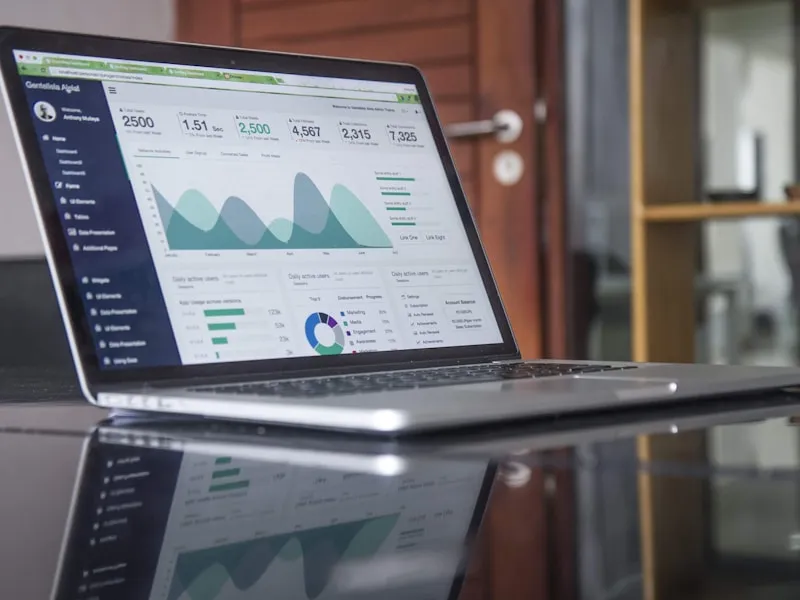
ReservFlow does more than manage your reservations: with the Review Collection option at €5/month, it becomes your online reputation management tool.
The system automatically identifies every customer who booked, sends them a personalized email after their visit, analyzes their sentiment, and redirects satisfied customers to Google or Facebook. Negative feedback is captured internally, giving you time to respond personally before a public review is posted.
From your back office, you can track your satisfaction rate, the number of reviews generated, and trending patterns. It's a true online reputation dashboard, built right into your reservation management tool.
Review Collection option — €5 excl. tax/month
Automated collection after every visit, sentiment filtering, redirection to Google/Facebook, internal handling of negative feedback, statistics and tracking metrics.
Discover the option in detail